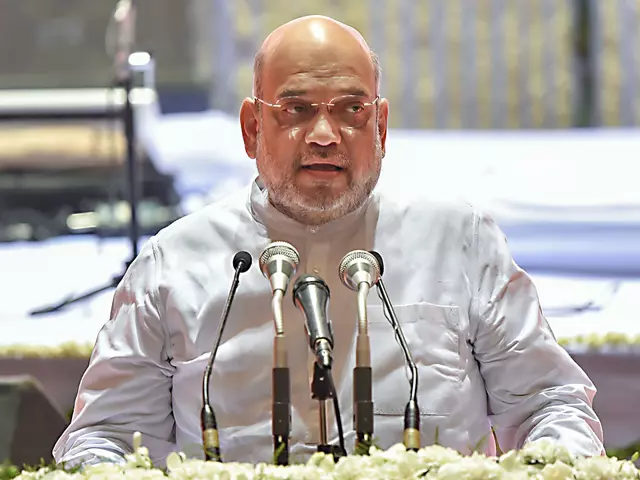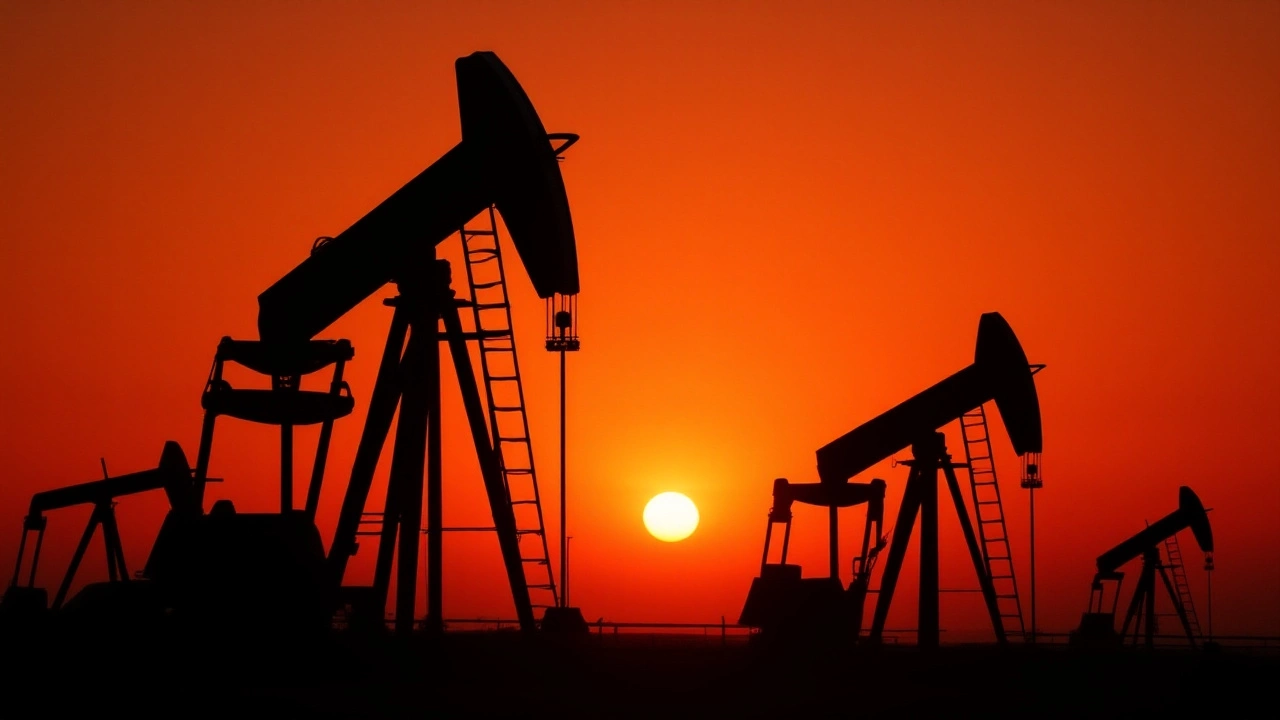
When Hardeep Singh Puri, Petroleum and Natural Gas Minister of the Government of India, announced a sweeping overhaul of royalty rates on May 8, the message was clear: it’s time to make local oil and gas production profitable again. The move, effective immediately, slashes the tax burden on upstream companies, aiming to reduce dependence on imports amidst ongoing tensions in the Middle East.
Here’s the thing about energy policy—it’s rarely just about economics. It’s about survival. With global supply chains fragile and geopolitical risks rising, New Delhi is betting big on domestic output. By rationalizing how royalties are calculated and lowering the rates significantly, the government hopes to incentivize exploration in challenging terrains like deepwater blocks.
The Numbers Behind the Cut
The details matter here. Previously, the effective royalty rate for onshore crude oil was a steep 16.66%. Under the new regime, that figure drops to a flat 10%. For offshore crude, the rate falls from 9.09% to 8%. Perhaps most notably, natural gas royalties have been slashed from 10% to 8%.
But wait—the calculation method itself has changed. Before this update, royalties were computed based on costs incurred after actual production, which often inflated the effective rate for producers. Now, the government will use the "wellhead price" as the baseline. To sweeten the deal, a flat deduction is applied: 20% of the sale value for nomination regime blocks and 15% for all other regimes. This simplification removes ambiguity and lowers cash outflows for companies like Oil and Natural Gas Corporation (ONGC) and Oil India Limited.
Deepwater Incentives Explained
The real twist lies in the provisions for difficult extraction zones. The government hasn’t just lowered rates; it’s offering a blank check for the first seven years in specific areas. Under the Discovered Small Fields (DSF) policy and the Hydrocarbon Exploration and Licensing Policy (HELP), production from deepwater and ultra-deepwater blocks will attract zero royalty for the initial seven years.
After that grace period? The rates remain favorable compared to standard fields. From the eighth year onward, deepwater blocks will see a 5% royalty rate, while ultra-deepwater blocks will pay just 2%. These incentives apply to both crude oil and natural gas. It’s a bold strategy to unlock reserves that were previously considered too expensive or risky to tap.

Market Reaction and Expert Views
Wall Street loves clarity, and Indian markets responded instantly. Shares of ONGC and Oil India surged following the announcement. Analysts pointed out that this isn’t just a short-term boost but a structural improvement in profitability. One brokerage house maintained an "outperform" rating on ONGC with a target price of ₹405, noting that the fair value of the stock could rise by 7-9% due to this decision alone. For Oil India, the potential upside was estimated at 9-11%.
"This is a surprise relief package," one market analyst noted during a broadcast discussion. "It directly impacts the bottom line by reducing cash outflow related to royalties." The sentiment reflects a broader recognition that upstream segments had been under pressure, and this policy shift addresses those pain points head-on.
Why This Matters Now
Timing is everything. This announcement comes against the backdrop of continued conflict in West Asia, a region critical to India’s energy imports. Reducing reliance on foreign sources is no longer just an economic preference; it’s a national security imperative. By making domestic exploration more attractive, the government aims to bolster energy security without compromising fiscal health.
Moreover, the rationalization of royalty structures aligns with global trends where governments are competing to attract investment in energy transition projects. While the focus remains on hydrocarbons, the efficiency gains here can fund future green initiatives. It’s a pragmatic step in a complex landscape.

What’s Next for Investors?
Investors should watch how these policies translate into actual capital expenditure. Will companies reinvest the savings into new drilling projects? Early signs suggest yes. The increased fair values projected by analysts indicate confidence in sustained growth. However, the true test will be over the next few quarters as we see if exploration activities pick up pace in deepwater regions.
Keep an eye on quarterly reports from major PSUs. If the royalty cuts lead to higher margins and increased output, we might see a sustained rally in the energy sector. But remember, global oil prices—currently hovering between $65 and $70 per barrel—will still play a huge role in determining final profits.
Frequently Asked Questions
How does the new royalty structure affect ONGC and Oil India?
The new structure significantly reduces their operational costs. By lowering royalty rates and changing the calculation base to wellhead prices with flat deductions, these state-owned enterprises will see improved profit margins. Market analysts predict a 7-11% increase in fair value for these stocks due to enhanced profitability prospects.
What are the specific benefits for deepwater exploration?
Companies exploring deepwater and ultra-deepwater blocks under DSF and HELP policies enjoy zero royalty for the first seven years. Afterward, rates drop to 5% for deepwater and 2% for ultra-deepwater. This long-term incentive makes high-risk, high-cost projects financially viable, encouraging investment in untapped marine reserves.
Why did the government change the royalty calculation method?
The previous method based royalties on post-production costs, which often led to higher effective rates for producers. The new system uses the wellhead price with a fixed percentage deduction (20% for nomination blocks, 15% for others). This simplifies compliance, reduces disputes, and ensures a more predictable cost structure for oil and gas companies.
Does this policy impact consumer fuel prices?
Indirectly, yes. By boosting domestic production, India aims to reduce its import bill, which stabilizes overall energy costs. While retail fuel prices are determined by multiple factors including taxes and global crude prices, increased local supply can help mitigate spikes caused by international supply shocks, potentially leading to more stable prices for consumers over time.