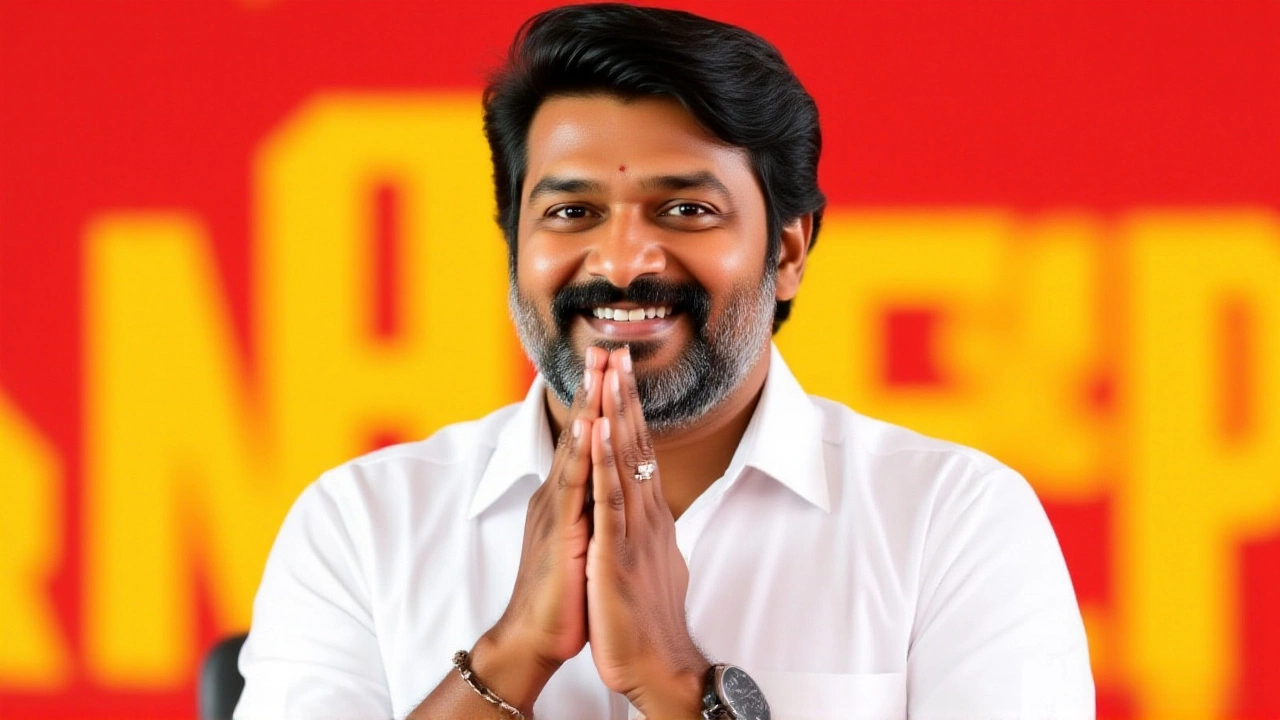
When C. Joseph Vijay, Chief Minister of Tamil Nadu, steps off the plane in New Delhi on May 24, 2026, he won't just be a visiting dignitary. He’ll be carrying the weight of a state that feels it’s been left behind.
This isn’t a routine courtesy call. It’s his first official trip since taking the oath on May 10, following the Tamilaga Vettri Kazhagam (TVK)'s surprising election victory. Over three days, Vijay plans to meet the top brass of the central government—Prime Minister Narendra Modi, President Droupadi Murmu, and key ministers including Amit Shah, Nirmala Sitharaman, and S. Jaishankar.
The stakes? High. Tamil Nadu is demanding its share of central funds, compensation for delayed projects, and a seat at the table for major infrastructure decisions. Here’s what we know about this pivotal diplomatic mission from South to North.
The Political Context: A Fragile Majority
To understand why this visit matters, you have to look at the numbers. The assembly majority mark in Tamil Nadu is 118 seats. TVK won 108 directly. That leaves a gap of 10 seats.
Vijay filled that gap through a coalition that defies traditional political alignments. He secured support from the Congress (5 seats), CPI (2 seats), CPM (2 seats), VCK (2 seats), and crucially, the IUML. On May 11, 2026, Prof. K.M. Kaifullah, National President of the IUML, issued a formal statement pledging support for a "stable and secular government." This brought Vijay’s total support to 121 MLAs, giving him a comfortable margin over the 118 needed.
But coalitions are tricky things. They hold together as long as there are wins to show. For Vijay, this Delhi trip is his first chance to prove he can deliver tangible benefits to his diverse alliance. If he comes back empty-handed, the fragile unity could crack before the cabinet expansion even settles in.
The Agenda: Money, Infrastructure, and Security
Vijay isn’t going to Delhi with just handshakes. Sources close to the administration confirm he will carry a detailed memorandum outlining specific demands. Let’s break down the priority list:
- Financial Relief: A special package to fill Tamil Nadu’s depleting treasury. The state has been vocal about pending compensation dues and delayed central fund releases.
- Infrastructure Push: Projects spanning from Chennai to Kanyakumari. This includes urban development upgrades and industrial investment incentives.
- Fishing Community Rights: A recurring pain point involving maritime borders with Sri Lanka and safety concerns for local fishermen.
The meeting with Finance Minister Nirmala Sitharaman will likely be the most tense. Tamil Nadu has historically argued that the current GST structure and finance commission recommendations favor poorer states disproportionately, leaving developed southern states like TN feeling shortchanged. Vijay expects a concrete commitment here, not just polite assurances.
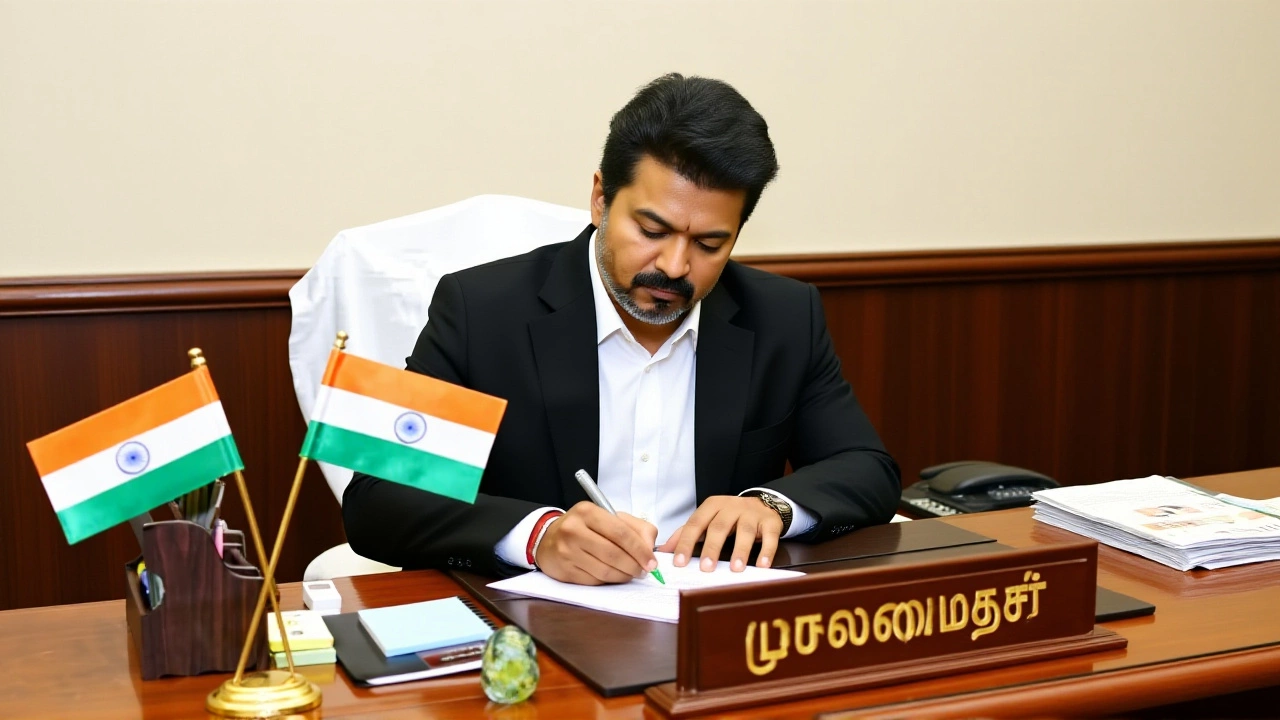
Key Meetings and What’s at Stake
The itinerary is packed, designed to cover every angle of governance:
Prime Minister Narendra Modi: This one-on-one session is the centerpiece. Expect discussions on broader federal relations and how Tamil Nadu fits into the national development narrative. The PM’s office usually prefers bilateral talks that emphasize cooperation over confrontation.
Home Minister Amit Shah: Security is paramount. Beyond internal law and order, the focus will shift to border security issues affecting coastal communities. The fishing dispute isn’t just an economic issue; it’s a security concern that often escalates tensions.
External Affairs Minister S. Jaishankar: Why meet the foreign minister? Because Tamil Nadu’s problems don’t stop at the coast. The maritime boundary dispute with Sri Lanka directly impacts Tamil Nadu’s fishermen. Vijay aims to leverage the state’s strategic location to get a stronger voice in India’s neighborhood policy.
President Droupadi Murmu & Vice President Jagdeep Dhankhar: These meetings are protocol-driven but symbolically important. They signal respect for constitutional norms and help legitimize the new government in the eyes of the central establishment.
Why This Matters for Tamil Nadu
Turns out, geography isn’t destiny when it comes to political clout. Tamil Nadu has always prided itself on strong regional leadership, from MGR to Karunanidhi to Stalin. But the center-left dynamics have shifted under the BJP-led central government. Relations were strained during the DMK era, particularly over issues like the Cauvery water dispute and the Jallianwala Bagh resolution.
Vijay’s approach seems different. Rather than starting with protest, he’s choosing dialogue. Analysts suggest this is a calculated move. By engaging constructively, he hopes to unlock funds that were previously held up by political friction. The memorandum he carries is essentially a business plan for the state, offering cooperation in exchange for financial equity.
However, critics argue that softening the stance might alienate the party’s core base, which values assertive regionalism. Can Vijay walk the tightrope between being a cooperative partner and a fierce defender of state rights? Only time will tell.
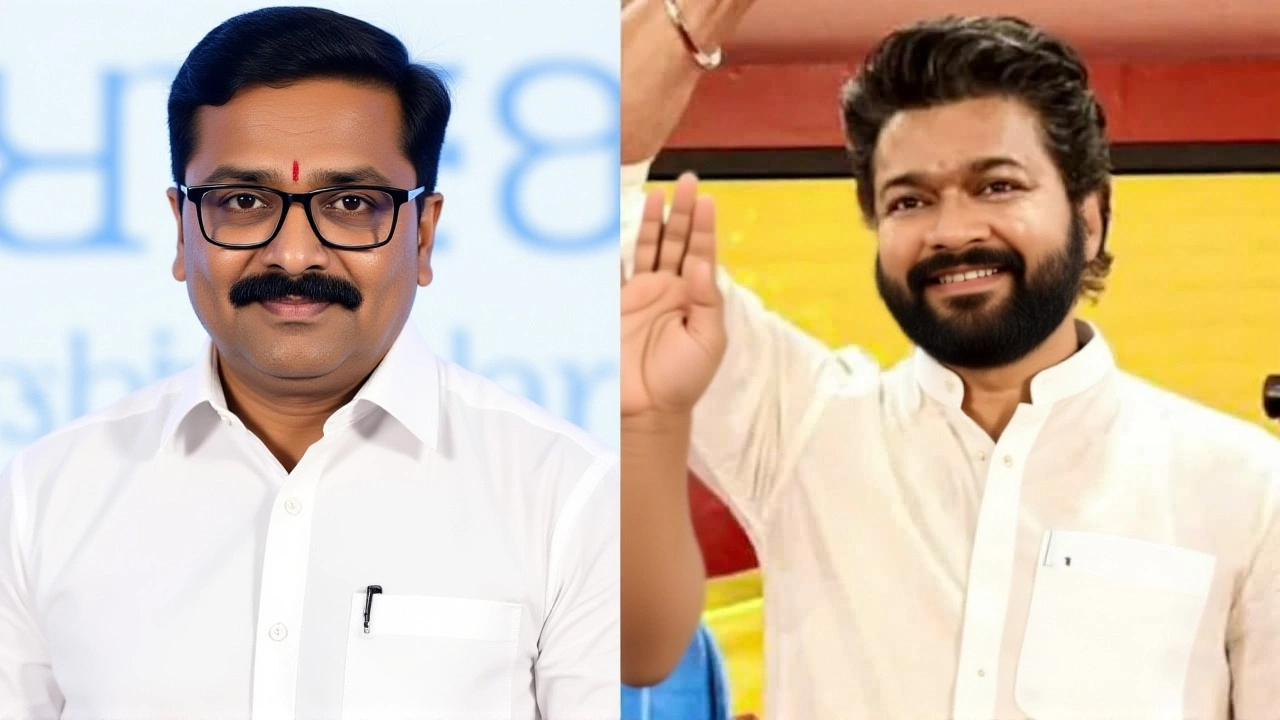
What’s Next?
The Delhi trip runs from May 24 to May 26, 2026. After returning, Vijay will face immediate pressure from opposition parties and within his own coalition to announce quick wins. If any agreements are signed, they need to be visible fast—whether it’s a new highway project approval or a release of pending funds.
Keep an eye on the statements coming out of Rashtrapati Bhavan and the Prime Minister’s Office. In Indian politics, what isn’t said is often as important as what is. But for now, all eyes are on Chennai, waiting to see if this new Chief Minister can turn promises into progress.
Frequently Asked Questions
Who is C. Joseph Vijay and how did he become CM?
C. Joseph Vijay is the founder of the Tamilaga Vettri Kazhagam (TVK) and the newly elected Chief Minister of Tamil Nadu. He assumed office on May 10, 2026, after his party won 108 seats in the assembly elections. He formed a coalition government with support from Congress, CPI, CPM, VCK, and IUML, securing a total of 121 MLA votes against a majority mark of 118.
What are the main goals of Vijay's Delhi visit?
The primary goals include securing pending central funds, obtaining compensation for delayed projects, and discussing infrastructure development from Chennai to Kanyakumari. He also aims to address issues related to the fishing community's safety and maritime borders with Sri Lanka. A detailed memorandum outlining these demands will be presented to central ministers.
Which central leaders will Vijay meet?
During his three-day visit from May 24-26, 2026, Vijay will meet Prime Minister Narendra Modi, President Droupadi Murmu, Vice President Jagdeep Dhankhar, Home Minister Amit Shah, Finance Minister Nirmala Sitharaman, and External Affairs Minister S. Jaishankar. Each meeting targets specific areas such as finance, security, and foreign policy implications for the state.
How stable is the new Tamil Nadu government?
The government has a working majority of 121 seats, which is above the required 118. However, the coalition includes ideologically diverse partners like the Congress and communist parties. Stability depends on Vijay's ability to deliver results quickly. The support of IUML, announced by Prof. K.M. Kaifullah on May 11, was crucial in crossing the majority threshold.
Why is the meeting with S. Jaishankar significant?
Meeting the External Affairs Minister is unusual for a state chief minister unless international issues affect the state directly. In this case, it relates to the ongoing maritime boundary disputes with Sri Lanka that impact Tamil Nadu's fishing community. Vijay seeks a stronger central stance to protect the livelihoods and safety of local fishermen.